If you want an outdoor sign that still looks sharp a decade from now, the short answer is this: choose powder-coated aluminum for the body, use a UV-stable finish, and mount it with proper standoffs and stainless hardware so water can drain and air can circulate. That combination survives sun, rain, snow, and salt better than almost anything else at a reasonable price. Everything else in this guide is about the details that turn a good custom outdoor metal sign into one that protects your brand for 15 to 20 years.
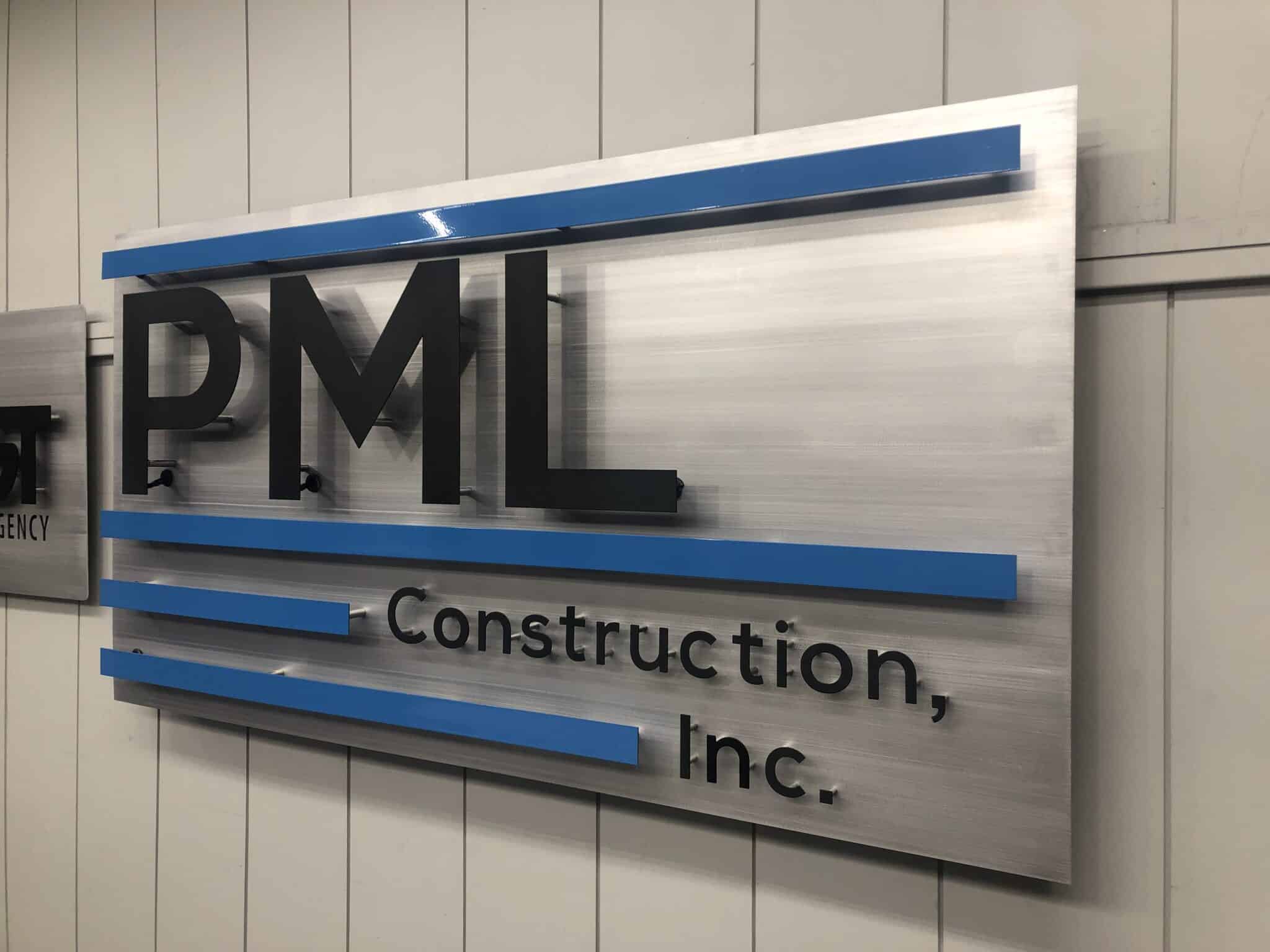
An outdoor sign has a harder job than almost any other piece of your branding. It faces direct sun, freeze-thaw cycles, wind-driven rain, road salt, and pollution — sometimes all in the same week here in the Mid-Atlantic. We’ve fabricated exterior signage for businesses from downtown Frederick to office parks across the country, and the projects that still look great years later almost always come down to three decisions: the metal, the finish, and how it’s mounted. Get those right and an outdoor sign becomes one of the best long-term marketing investments a business can make.
Which Metal Holds Up Best Outdoors?
The single most important choice for any outdoor metal sign is the base material. Each metal behaves differently once it’s exposed to the elements, and the “best” one depends on the look you want and the environment it lives in.
- Aluminum — Our default recommendation for most outdoor business signs. It never rusts, it’s lightweight (which simplifies mounting on facades), and it takes powder coating beautifully. For the vast majority of exterior projects, powder-coated aluminum is the sweet spot of durability, appearance, and cost.
- Stainless steel — Premium, heavy, and extremely corrosion-resistant. Great for a modern, high-end look and coastal environments, but it costs more and weighs more, which affects both fabrication and installation.
- Mild (carbon) steel — Strong and economical, but it will rust if the coating is ever breached. We only use it outdoors when it’s fully powder coated, or when a client specifically wants a controlled rusted/patina look.
- Copper and brass — Beautiful living finishes that patina over time. Perfect for historic buildings and luxury brands, but they’re a design statement rather than a low-maintenance choice.
If you’re weighing the two most common options head-to-head, we go deep on that decision in our guide to aluminum vs. stainless steel signs. For a broader look at picking the right substrate, this material guide is a good starting point. You can also see the full range of options on our custom metal signs page.
A field note on aluminum thickness
One thing we’ve learned from years of installs: gauge matters more than people expect. A thin aluminum panel can “oil-can” (visibly ripple) on a hot facade as it expands, and larger dimensional letters need enough material to stay flat and rigid over time. For sizeable exterior signs we typically spec heavier-gauge aluminum or add structural returns — a small material cost that prevents a warped, wavy sign two summers down the road.
Finishes That Survive the Sun
The finish is what actually stands between your metal and the weather, and it’s also where the most expensive mistakes happen. A gorgeous sign with a poor finish can chalk, fade, or peel within a couple of seasons.
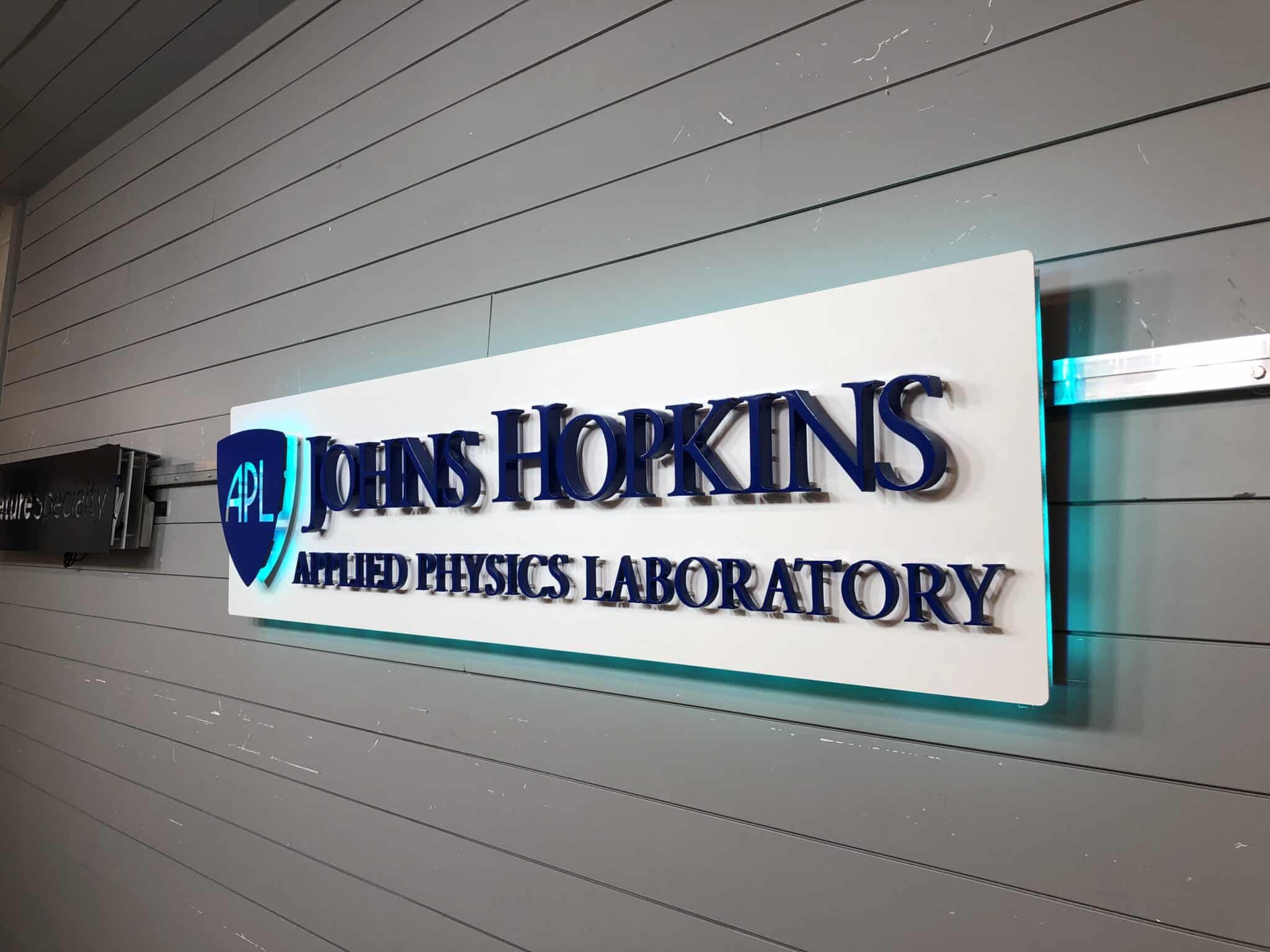
Here’s how the common outdoor finishes stack up:
- Powder coating — Our go-to for durability. It’s an electrostatically applied, oven-cured finish that’s far tougher than spray paint, resists chipping and UV fading, and comes in almost any color. We cover why in the benefits of powder-coated business signs. It’s also worth understanding how powder coating compares to other painted finishes.
- Brushed and polished metal — Timeless for stainless steel and aluminum. We recommend a clear protective coat outdoors to slow oxidation and water spotting.
- Anodized aluminum — A durable, color-integrated finish that resists fading well, popular for a sleek architectural look.
- Natural patina — For copper, brass, or intentionally rusted steel, the “finish” is the aging itself. It’s low-maintenance in the sense that it’s supposed to change, but it’s not the right call if you want your logo colors to stay exact.
For color accuracy, one practical tip: powder-coat colors can shift slightly under bright sun versus how they look in the shop. When brand color is critical, we match to your exact spec and, when needed, produce a physical sample before running the full sign. Our in-house powder coating makes that kind of quality control possible, and it’s a big part of why we keep the whole fabrication process under one roof.
Outdoor Metal Sign Materials at a Glance
This comparison table sums up how the main options perform where it counts for exterior use:
| Material | Corrosion Resistance | Typical Lifespan (Outdoor) | Relative Cost | Best For |
|---|---|---|---|---|
| Powder-coated aluminum | Excellent (won’t rust) | 15–20+ years | $$ | Most business signs |
| Stainless steel | Excellent | 20+ years | $$$$ | Premium & coastal |
| Powder-coated steel | Good (if coating intact) | 10–15 years | $$ | Large structural signs |
| Copper / brass | Excellent (patinas) | Decades (finish evolves) | $$$$ | Historic & luxury brands |
| Bare / rusted steel | Low (intentional) | Varies | $ | Rustic aesthetic only |
Mounting and Installation: Where Longevity Is Won or Lost
You can build a perfect sign and still cut its lifespan in half with poor installation. Water intrusion and trapped moisture are the top killers of outdoor signage, so how a sign attaches to the wall matters as much as what it’s made of.
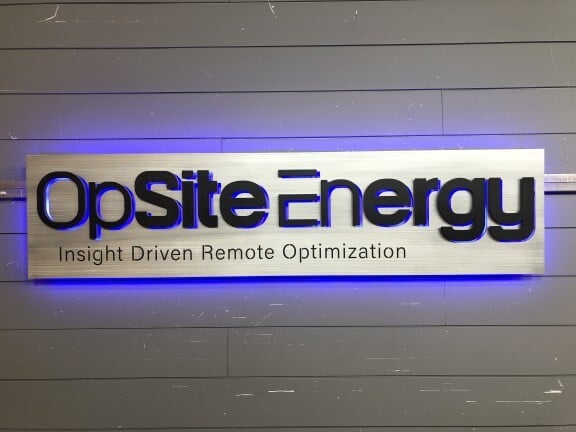
A few things we insist on for exterior installs:
- Stainless steel hardware. Never mount an outdoor sign with fasteners that can rust and bleed streaks down your building. Stainless (or otherwise corrosion-resistant) hardware is non-negotiable.
- Standoffs and drainage. Flush-mounting a sign flat against a wall traps water behind it. Spacers and weep points let moisture escape and air circulate, which dramatically slows corrosion.
- Sealed lighting. For illuminated signs, the LEDs, transformers, and wiring have to be properly rated and sealed for outdoor use. A tiny gap where water reaches the electrical is a common and avoidable failure point.
- Wall type awareness. Brick, EIFS, metal panel, and stone all need different anchoring strategies. Matching the mount to the substrate is the difference between a sign that stays put and one that loosens over time.
If installation isn’t in your wheelhouse, our installation services team handles it end to end, and every sign ships protected thanks to our careful packing and shipping process — which matters when your sign is traveling from Maryland to a job site across the country.
How Long Should an Outdoor Metal Sign Last?
A well-built, powder-coated aluminum exterior sign should comfortably last 15 to 20 years or more with minimal upkeep. We’ve seen ShieldCo signs holding their color and finish long after installation because the fundamentals were right from the start. Maintenance is refreshingly simple: an occasional wash with mild soap and water to remove pollution and grime is usually all it takes. For a deeper dive, we wrote a full guide on protecting and maintaining outdoor metal sign fixtures.
Whether you run a restaurant in downtown Frederick, a medical office in the DC metro area, or a distribution center on the other side of the country, the math is the same: a durable exterior sign spread over two decades is one of the lowest cost-per-impression advertisements you’ll ever buy. That’s the case we make in why a premium sign boosts your bottom line.
Frequently Asked Questions
What is the best metal for outdoor business signs?
For most businesses, powder-coated aluminum is the best all-around choice. It never rusts, it’s lightweight and easy to mount, and the powder-coated finish resists UV fading and chipping for well over a decade. Stainless steel is an excellent premium alternative, especially in coastal or high-corrosion environments, but it costs and weighs more.
Do outdoor metal signs fade in the sun?
A quality finish resists fading for many years. Powder coating and anodized finishes hold their color far better than standard spray paint, which can chalk and fade within a couple of seasons. Choosing UV-stable colors and a properly cured finish is the key to keeping your brand colors accurate over time.
How much does a custom outdoor metal sign cost?
Cost depends on size, material, finish, and whether the sign is illuminated. Small exterior logo signs start in the hundreds, while large dimensional or lit signs run into the thousands. Because outdoor signs last 15–20+ years, the cost per year of service is very low. See our overview of business signage costs, or request a free quote for exact pricing.
Can outdoor metal signs be illuminated?
Yes. Backlit (halo-lit) and face-lit LED signs work beautifully outdoors as long as the lighting components are rated and sealed for exterior use. Proper weatherproofing of the LEDs and wiring is essential — it’s one of the most common places a cheaply made outdoor sign fails.
Do you ship outdoor signs nationwide?
We do. ShieldCo is based in Frederick, Maryland, and we’ve installed signs in 46 of 50 US states. Every sign is fabricated in-house and carefully packaged for safe cross-country shipping, with optional professional installation available.
Ready to design an exterior sign built to last? Explore our project gallery and case studies for inspiration, or reach out and we’ll help you spec the right materials and finish for your environment.