Signage glossary
Sign Terms, in Plain English
We know it can be hard to describe a sign you can already picture — the trade has its own words and they get in the way. This page is here to help: what we call something, what it actually is, and the words people usually reach for instead.
35 terms in 6 groups, each with the everyday words people use for it.
Lighting
Where the light comes from, and which way it points.
Halo-lit
Illuminated signsLED light sits behind the letters and washes the wall, so the shape reads as a glowing outline rather than a lit face. The most popular finish we build, and the one in most of our night photographs.
- backlit letters
- glowing letters
- letters that light up behind
- reverse lit

Face-lit
Illuminated signsThe front of the letter is a lit panel, so the light comes toward you. Brighter and more visible at distance than halo-lit, and the usual choice where the sign has to be read from the road.
- front lit
- lit up letters
- illuminated letters

Edge-lit
Illuminated signsLight enters the edge of a clear panel and reveals the engraved artwork inside it. Used for interior panels rather than exterior letters.
- glass sign that lights up
- lit acrylic panel

Hot spots
Illuminated signsBright patches on a lit face where the individual LEDs show through instead of one even glow. It is sometimes deliberate – an exposed-bulb or marquee look wants the lamps visible – but most people are after an even wash and would rather not see them.
- hotspots
- bright spots
- you can see the bulbs
- LED dots showing
- uneven lighting
- blotchy light
Neon
Sign lightingBent glass tubing filled with gas. We do not fabricate it – we work exclusively with LED, which lasts longer, uses less power and can change color. If you want the neon look, LED-lit channel letters or halo-lit metal get you there.
- neon sign
- retro neon
- glass tube sign
Metals
What the sign is made of, and how the metal itself ages.
Corten
Rustic metal signsA steel that rusts deliberately. The rust forms a tight, stable layer that protects the metal underneath instead of eating it, so it holds its orange-brown color outdoors for years.
- rusted metal sign
- rusty steel
- weathering steel
- orange metal
Distressed steel
Distressed steel signsSteel worked to look old on purpose – ground, textured and sealed – rather than left to rust on its own.
- rustic metal sign
- vintage metal
- industrial look

Patina
Copper signsThe color brass and copper develop as they age – browns, greens and blue-greens. It can be left to happen on its own or forced chemically and then sealed at the shade you want.
- aged brass
- antique copper
- green copper
- weathered look

Verdigris
Copper signsThe blue-green at the far end of a copper patina, years in – the Statue of Liberty color. Copper gets there on its own outdoors; it can also be brought on chemically and sealed at the shade you want, rather than waited for.
- green copper
- statue of liberty color
- blue green copper
- oxidized copper
- turned green
Raw metal
Metal signsThe metal left as it is, with no color on it – the mill surface, usually brushed and sealed so it stays that way. What you are looking at is the material itself rather than a finish applied over it.
- bare metal
- no paint
- natural metal
- untreated
- plain steel
- just metal
Paint, coating and finish
What goes on over the metal, and how shiny it ends up.
Sandblasting
Powder coatingThe first stage of coating anything. Abrasive granules are fired at the bare metal to shear off mill scale, old paint and dirt, which leaves a slightly rough surface – and that roughness is what the primer and the powder key into. It is the step that decides whether the coat is still there in ten years.
- blasting
- prepping the metal
- surface prep
- cleaning the metal
- what happens before painting
Powder coating
Powder coatingDry pigment given an electrostatic charge, sprayed on, and baked until it flows into a hard shell bonded to the metal. Tougher than wet paint and available in any color, including matte black and true whites.
- painted metal sign
- black metal sign
- colored metal

Wet paint
Powder coatingLiquid paint, sprayed or brushed on and left to dry. It is the traditional way to put color on a sign, and the one powder coating replaced: a powder coat is baked into a single bonded skin, so it resists chipping and scratching where paint eventually wears through. Our color work is powder coated.
- painted
- regular paint
- liquid paint
- spray paint
- is it painted
- brush painted
Vinyl
3D signsA printed graphic layer applied over metal we have already cut and coated. The artwork is printed on adhesive vinyl and heat-applied to the panel, which is how a photograph, a gradient or fine multi-color detail gets onto a sign that is still fabricated metal underneath – usually one layer of a multi-layer piece rather than the whole sign. Worth separating from a "vinyl sign", which normally means a printed sheet or a sticker with no metal in it at all.
- sticker
- decal
- printed graphic
- printed overlay
- wrap
- full color print
- photo on the sign
- printed logo

Clear coat
Distressed steel signsA transparent layer over a finish you want to hold exactly where it is. It stops a patina going any further, lets distressed and rustic steel live outdoors, and keeps brass from tarnishing. It changes no color – it freezes the one you have.
- sealer
- sealed
- protective coat
- lacquer
- stop it rusting further
- keep it from tarnishing
Anodizing
Aluminum signsAn electrochemical treatment that thickens the oxide layer aluminum already grows into a hard skin that is part of the metal rather than a coat sitting on it – so it cannot chip off. Aluminum resists corrosion on its own; this adds to it.
- anodized
- anodised
- hard coat aluminum
- colored aluminum
- protective layer on aluminum
Brushed finish
Stainless steel signsA directional grain sanded into the metal. Softer than a mirror, hides fingerprints, and the default on most stainless and aluminum work.
- brushed silver
- matte silver
- satin metal
- stainless look

Polished finish
Stainless steel signsBuffed to a mirror. Highest contrast and the most reflective option, and the one that shows every mark.
- shiny metal
- mirror finish
- chrome look

Hammered
Copper signsA surface worked over with a hammer so it carries hundreds of small dimples, each catching the light at its own angle. It is done by hand, so no two panels are the same. Most often seen on copper.
- dimpled
- beaten metal
- peened
- textured copper
- planished
- hand worked

Textured powder
Powder coatingA powder coat with grain in it, so the surface comes out slightly rough rather than smooth. It gives a flat color some depth and hides fingerprints and small dents, which a plain matte will show.
- rough finish
- grainy paint
- wrinkle finish
- bumpy
- hides marks
- orange peel

Matte, satin and gloss
Stainless steel signsHow much light a finish throws back, from flat to mirror-bright. Matte is the one most people ask for – matte black especially – because it reads as modern and hides fingerprints. Satin sits in the middle. Gloss is the brightest, and the one that shows every mark on it.
- sheen
- matte black
- flat black
- gloss black
- semi-gloss
- eggshell
- satin finish
- how shiny
- shiny or flat
Letters and construction
How the letters themselves are built.
Dimensional letters
3D signsLetters cut from solid material with real thickness, mounted individually so each one casts its own shadow. Not a flat panel with printing on it.
- raised letters
- 3D letters
- letters that stick out
- individual letters

Channel letters
Illuminated signsHollow fabricated letters with a returned edge, built to hold lighting inside. The construction behind most lit storefront signage.
- lit letters
- storefront letters
- box letters
Laser cutting
Laser cuttingA focused beam cuts the shape straight out of sheet metal, so the edge comes off clean and the detail can be as fine as the artwork.
- metal cut to shape
- custom cut metal
- precision cut
Fabrication
Our servicesEverything between the drawing and the finished sign – cutting, bending, welding, finishing and assembly. Ours all happens in one shop in Frederick, Maryland.
- sign making
- metal work
- who builds the sign
Mounting and installation
How the sign meets the wall.
Facade
Exterior signsThe front face of a building – the wall the sign goes on, and the one people read from the street. What it is made of decides how the sign hangs: brick, stone, metal panel and stucco each take a different anchor.
- building front
- storefront
- front of the building
- exterior wall
- shopfront

Standoffs
InstallationMachined barrels that hold a sign a set distance off the wall. They create the shadow line that makes a flat panel read as dimensional.
- spacers
- sign feet
- floating sign
- mounted off the wall
Stud mount
InstallationThreaded pins welded to the back of each letter, dropped into drilled holes so no hardware shows from the front. The cleanest way to hang individual letters.
- hidden mounting
- no visible screws
- pin mount
Flush mount
InstallationThe sign sits flat against the wall with no gap and no shadow line.
- flat against the wall
- no gap
French cleat
InstallationTwo interlocking angled rails, one on the sign and one on the wall. The sign lifts on and off, which is what you want for anything heavy or anything that may move.
- hanging bracket
- removable mount
- how heavy signs hang
Kinds of sign
Named for where they go and what they do.
Lobby sign
Lobby signsThe logo behind a reception desk. Usually the first thing a visitor reads, and usually dimensional letters or a cut logo.
- reception sign
- office sign
- sign behind the desk
- front desk logo

Blade sign
Blade signsA sign mounted perpendicular to the building so it reads to people walking along the street rather than standing in front of it.
- projecting sign
- hanging sign
- sidewalk sign
- sign sticking out

Monument sign
Monument signsA freestanding structure at ground level at an entrance or driveway, rather than anything fixed to a building.
- entrance sign
- ground sign
- driveway sign
- standing sign

Logo sign
Logo signsYour mark cut and built as an object in metal, rather than printed onto something.
- company logo on the wall
- metal logo
- brand sign

Wayfinding
Business signageThe set of signs that move people through a building – directories, directional arrows, room and floor numbers – designed to work together.
- directional signs
- directory
- room numbers
- building signs
Nothing here uses that word. Describe it any way you like on a quote form and we will work out what you mean — that is the whole point of this page.
Free quote
Not sure what it’s called?
You don’t need the right word. Send your logo and a photo of the wall, and describe it however it comes to you.
Meet Our Expert Team
The ShieldCo Art team is well-known for providing great customer service. The team is led by brothers Neil and Luke Markey, who grew up in a family of artists. Influenced by their father’s metal art during their childhood, they felt a deep connection to the craft. Since 2020, ShieldCo Art’s creations have been proudly displayed in 46 of the 50 U.S. states. Our vision is to amplify the look and feel of an organization through high quality, enduring, metal signage and artwork.

Signage Tips That Make a Difference
Longer reads on choosing metal, finishes and lighting, from the same shop.
Custom Metal Signs for Medical Offices Guide
Custom metal signs for medical offices: materials, ADA rules, wayfinding, and real cost ranges from a Maryland fabricator shipping to 46 states.
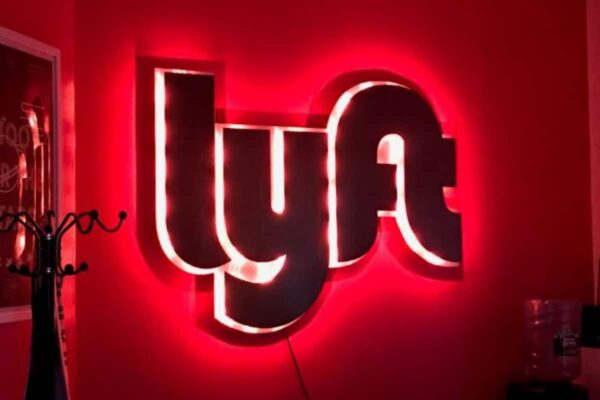
Backlit Metal Logo Signs: Everything You Need to Know
A complete guide to backlit metal logo signs: halo-lit vs face-lit, LED options, mounting, cost, and where they work best.
Read More Backlit Metal Logo Signs: Everything You Need to Know
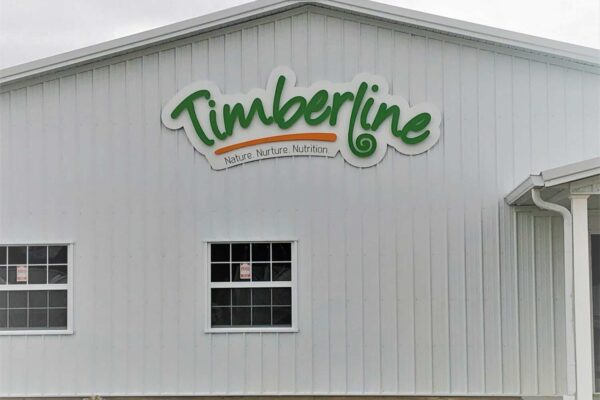
Custom Metal Signs for Outdoor Use: Materials, Finishes, and Longevity
How to choose outdoor metal signs that last: the right materials, finishes, and mounting for weather, sun, and years of curb appeal.
Read More Custom Metal Signs for Outdoor Use: Materials, Finishes, and Longevity